MARKET INSIGHTS | A Florida Hurricane Survivor’s Perspective on the Hidden Value of Insurance
04/11/25
After surviving Hurricanes Helene and Milton, Jon Kelly reflects on why homeowners insurance remains essential despite Florida’s soaring premiums.
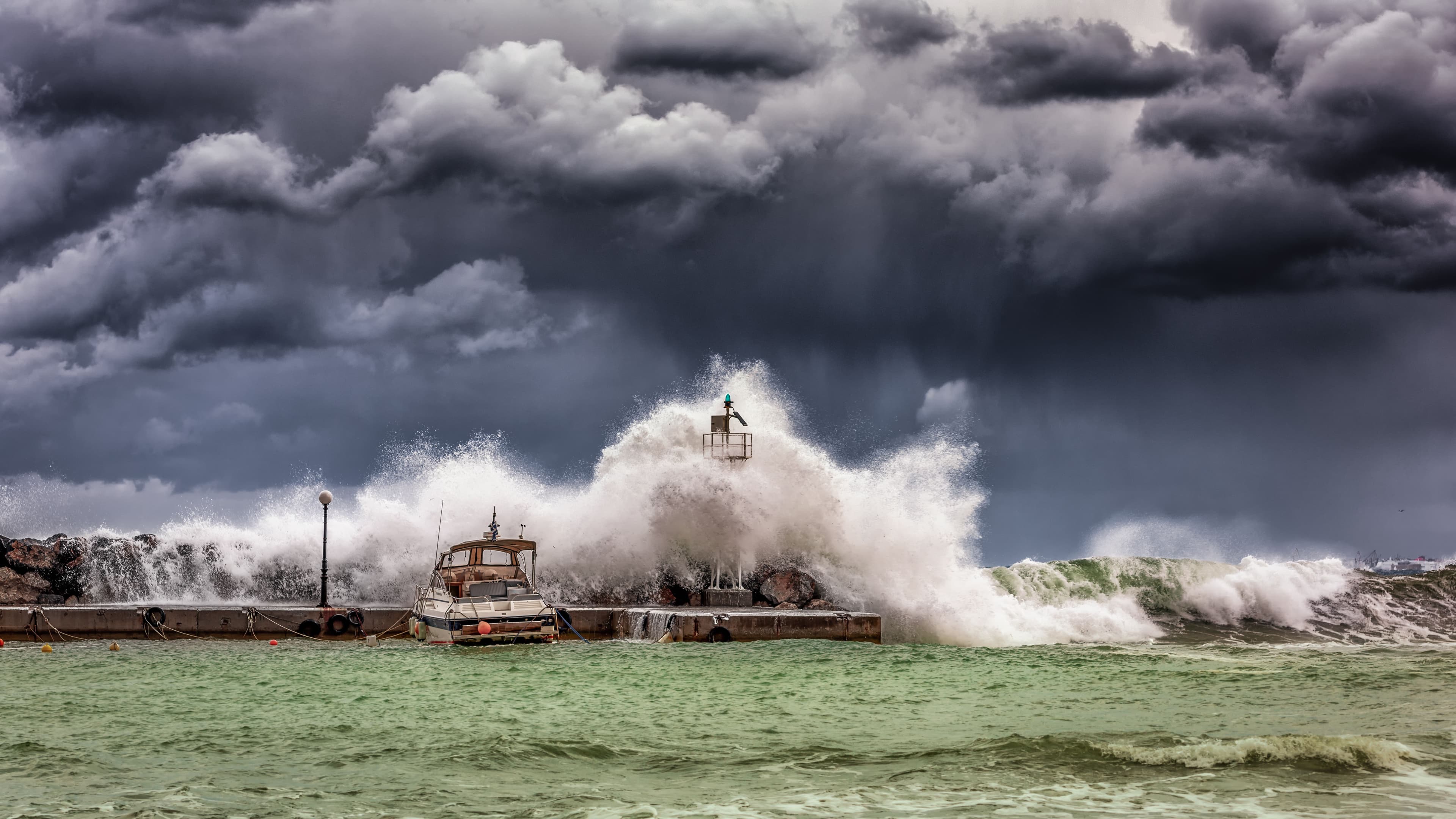
On Sept. 27, 2024, the night Hurricane Helene made landfall in Florida, I watched from a Tampa hotel room as floodwaters surged through my Eden Isle neighborhood in St. Petersburg, via my home’s security camera.
The next morning, before bridges out of Tampa had even reopened, I filed loss claims with the National Flood Insurance Program and the Federal Emergency Management Agency and secured a six-month, furnished rental for my family.
My swift actions weren’t lucky, but prescient. They were lessons learned decades earlier when a winter nor’easter swamped my first home on the Connecticut shoreline.
A recent Tampa Bay Business Journal article, “Popularity of ‘Going Naked’ Surges in Florida,” revealed that 22% of Florida homeowners would forego property insurance, if possible, while 8% already have none.
As someone whose home was ravaged by Hurricane Helene and then Hurricane Milton, just 10 days apart, that statistic is unfathomable to me.
Losing your home to a natural disaster is profoundly destabilizing. Nearly six months later, rebuilding remains a challenge despite having insurance. The process is a daunting gauntlet of claims, contractors, permitting and government bureaucracy. Yet insurance has provided a crucial financial foundation amid the chaos.
I understand and share the frustration with Florida’s soaring insurance premiums, which have become unaffordable for many. However, going without insurance creates a vulnerability few can financially withstand. The aftermath of a disaster without coverage can be ruinous economically, emotionally and physically.
Lessons I’ve Learned
Through my experiences, decades apart but eerily similar, I’ve learned several critical lessons:
1. Insurance isn’t just financial protection; it’s peace of mind.
When Helene and Milton hit, I could focus on my family’s immediate safety and stability rather than panicking about how we would rebuild. That mental clarity is invaluable in a crisis.
2. Recovery without insurance is exponentially harder.
FEMA assistance, while helpful, is designed as a stopgap, not a replacement for proper insurance. The maximum FEMA grant, about $41,000 as of 2025, falls dramatically short of what’s needed to rebuild a home in Florida.
3. The uninsured face impossible choices.
As a real estate agent, I’ve met homeowners forced to deplete retirement savings, take on massive debt or walk away from their properties altogether. These agonizing decisions often have lifelong consequences.
As a local Realtor, I have seen countless homeowners make these heartbreaking choices.
Alternatives to Going Without Insurance
For those considering “going naked” due to cost concerns, I urge exploration of alternatives:
- Consider high deductibles rather than no coverage.
- Explore flood insurance through private markets, not just NFIP.
- Investigate common-sense wind mitigation upgrades that can significantly reduce premiums.
In early 2024, I benefitted from a $10,000 matching grant under the Florida Safe Program for such improvements.
Florida’s housing crisis is complex, with insurance availability playing a crucial role. While I understand the financial strain, my experiences have proven that insurance, despite its cost, remains essential in our increasingly volatile climate.
As I rebuild my home for the second time, I’m grateful that insurance has given me a path forward, however difficult.
For those contemplating life without it, I hope you never have to face what I’ve endured, twice.
About the Author
Jonathan Kelly is a St. Petersburg resident and real estate expert with The Tenpenny Collection. Before moving to St. Pete, he built a 20-year career in community development in Washington, D.C. and Boston.
Originally published by the Tampa Bay Business Journal on April 11, 2025.
Jon Kelly | The Tenpenny Collection | St. Petersburg, Florida Real Estate Sales Associate | Exclusive Buyer Representation Guiding Clients to #BecomeStPete