
Buying a Luxury Condominium in Downtown St. Petersburg: How I Vet HOA Reserves, Assessments, and Insurance Before You Bid
11/03/26
I’m Jon Kelly. Before you write an offer on a downtown St. Pete (33701) luxury condo, here’s the exact, local due‑diligence workflow I use to evaluate reserves, special assessments, insurance, flood risk, permits, and litigation—so you see your true 10‑year cost of ownership up front.
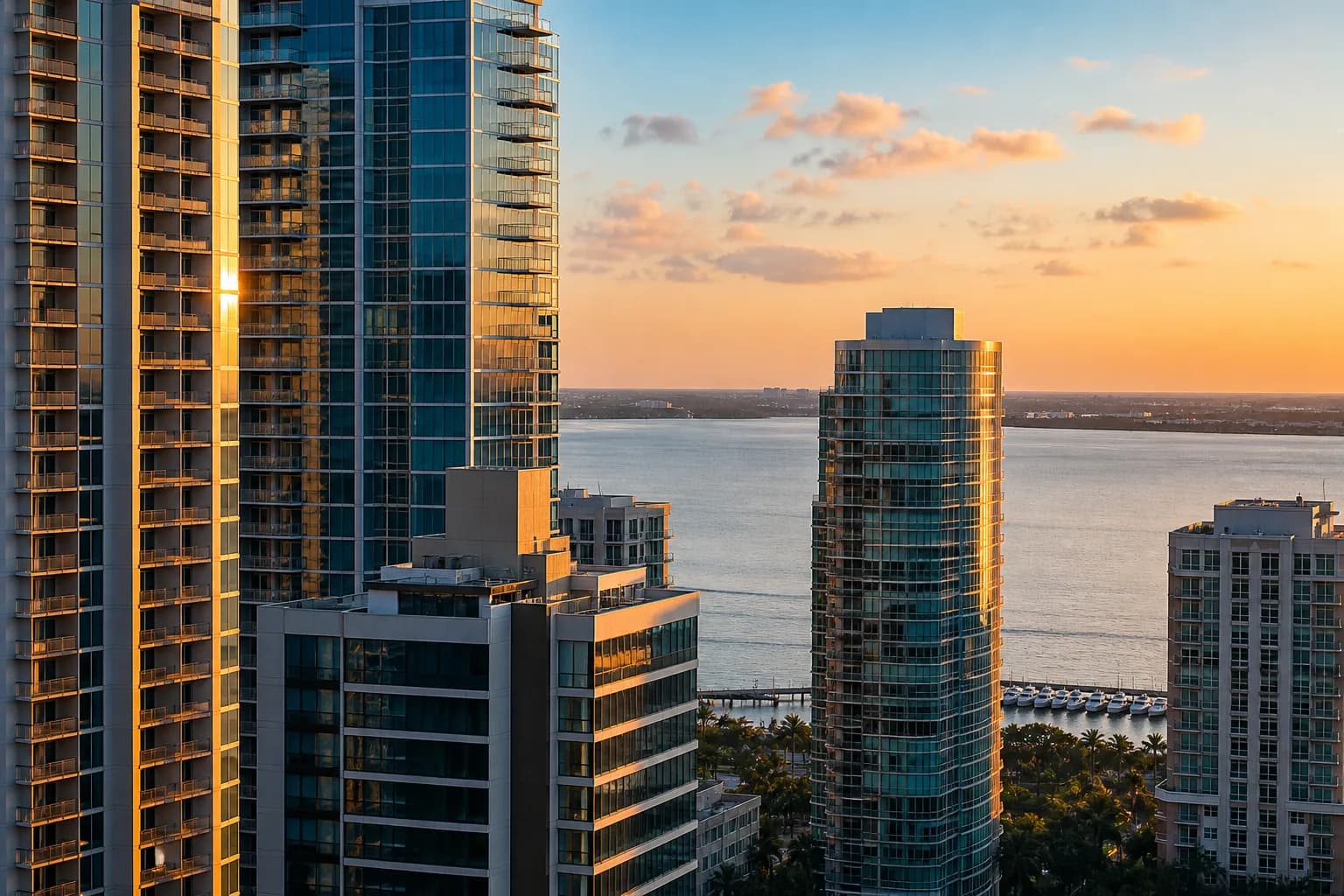
Buying a luxury condo in Downtown St. Petersburg should feel exciting—not like you’re inheriting a building’s balance sheet. I’m Jon Kelly, a numbers‑first real estate advisor in 33701. Before I tell a client to write an offer, I run a building through the same financial and physical screen I used to underwrite complex assets for a living.
Quick takes
- Downtown St. Petersburg condo reserves: read the structural integrity reserve study (SIRS) for percent funded and for what’s coming due in the next 3–10 years.
- St. Pete condo special assessment risk: scan meeting minutes, engineering reports, and permits for roofs, windows, waterproofing, and elevators.
- Insurance and flood: price wind and flood separately; verify FEMA flood zone and look for recent map changes.
- Independent buyer representation matters: your agent should obtain records, pressure‑test numbers, and bake protection into your contract.
Internal links for deeper dives
- How insurance, flood maps, and HOA reserves change a condo’s 10‑year cost: my step‑by‑step framework. Read it here.
- What’s happening now in 33701 pricing and inventory: October 2026 Market Update.
What Florida law requires today (as of November 2, 2026)
- Milestone inspections: Florida Statute 553.899 requires 3‑story‑and‑higher condo/co‑op buildings to complete a structural “milestone” inspection at 30 years of age (or earlier if required locally) and every 10 years thereafter; older buildings on or before July 1, 2022 faced specific 2024–2025 deadlines, and local officials may extend for good cause. (flsenate.gov)
- Structural Integrity Reserve Study (SIRS): Condo buildings 3+ stories must complete a SIRS at least every 10 years; for budgets adopted on or after December 31, 2024, associations generally can’t waive or reduce reserves for the structural items listed in §718.112(2)(g). SIRS funding needs to be reflected in budgets going forward (with 2025–2026 timing adjustments addressed by DBPR guidance). (www2.myfloridalicense.com)
- DBPR guidance: Associations should have SIRS completed and begin funding in accordance with the study starting in 2026; DBPR also explains how SIRS and milestone timelines interact. (condos.myfloridalicense.com)
The exact documents I request before advising you to bid
- Structural Integrity Reserve Study (SIRS) and the last full reserve study update.
- Current year budget and the last two adopted budgets; year‑to‑date actuals.
- Last 12–24 months of board and membership meeting minutes.
- All notices and details of past, current, or contemplated special assessments; any association loans or lines of credit.
- Insurance declarations for the master property policy (wind/hazard) and any separate flood policy; evidence of Citizens or private‑market carriers. (citizensfla.com)
- Engineer or contractor reports (milestone, facade/balcony, garage, waterproofing, elevator, roof).
- City of St. Petersburg permit history (roof, elevators, windows, waterproofing/painting, fire systems). Use the City’s permit portal by address. (stpe-egov.aspgov.com)
- Litigation check: Pinellas Clerk of Court case search for lawsuits naming the association, its board, or insurer. (courtrecords.mypinellasclerk.gov)
- Corporate and management filings: Florida Sunbiz (association corporate status, board/officer updates). (search.sunbiz.org)
- Property records: Pinellas County Property Appraiser (unit and building parcels, legal description, tax district). (pcpao.gov)
- Flood risk verification: FEMA Map Service Center/NFHL viewer for the building’s FEMA zone (X, AE, VE) and effective panel date; cross‑check Pinellas flood resources. (dejavu.org)
How I read a SIRS like an underwriter
- What it is: A SIRS is a budget planning tool that evaluates structural/safety components the association must maintain and the funding needed. Florida’s statute lists required items, including roof; primary structural systems; fireproofing and fire protection; plumbing; electrical; waterproofing and exterior painting; windows and exterior doors; and more as specified. (www2.myfloridalicense.com)
- Percent funded benchmarks: Reserve professionals commonly describe 70%+ as “strong,” 30–70% “fair,” and under 30% “weak,” with higher special‑assessment risk in weak funds. It’s a rule of thumb, not a legal standard, but it’s useful for comparing buildings. (reservestudy.com)
- Near‑term exposure: I flag all components with remaining useful life under 10 years, then overlay current cash, annual reserve contributions, and any loans. If the SIRS recommends a dramatic contribution increase beginning in 2026–2028, I’ll model the delta into your 10‑year cost. (For methodology, see my 10‑year cost article linked above.)
Common red flags I see downtown—and why they matter
- Roofs and waterproofing/exterior painting: Look for recent permits; prolonged deferral shows up as facade cracking, balcony/garage moisture issues, and bigger bids next cycle. City permit history helps validate whether projects were actually done. (stpe-egov.aspgov.com)
- Windows and hurricane glass retrofits: Window/door upgrades can move in phases and cost six or seven figures building‑wide; SIRS should reflect remaining useful life and scope for exterior openings. (flsenate.gov)
- Elevators: Modernizations are periodic and pricey; check permits and minutes for shutdowns, vendor change orders, or service calls clustering. (stpe-egov.aspgov.com)
- Fire systems: Panels, sprinklers, standpipes—these are SIRS items; deficiencies often surface in milestone follow‑ups. (flsenate.gov)
- Garage/structural repairs: Milestone inspections can trigger mandatory repairs on a schedule set by the engineer and local officials; associations generally must commence within defined timeframes once a Phase 2 identifies deficiencies. (flsenate.gov)
Insurance and flood: what I verify for 33701
- Wind/property insurance availability: Florida’s market has been evolving. Citizens (the state insurer of last resort) continues active “depopulation.” If a private offer is within 20% of the Citizens renewal premium, policyholders are generally ineligible to remain with Citizens; if the private offer later proves more than 20% above the Citizens estimate, some may qualify to return. I flag this because it affects association and unit insurance options and, ultimately, your monthly cost. (citizensfla.com)
- Market context: Regulators and industry updates through 2025–2026 point to early signs of stabilization alongside increased private‑market participation, including in Tampa Bay. Still, pricing remains building‑specific and underwriter‑driven. (floir.gov)
- Flood: Downtown’s core has a mix of FEMA Zones X and AE, with waterfront edges more frequently mapped AE/VE. I verify the exact building and garage elevations and the effective FIRM date via the FEMA Map Service Center or NFHL viewer, then price flood coverage accordingly. Pinellas County provides clear guidance on zones and mitigation. (pinellas.gov)
Your printable 10‑step checklist (what to ask for on Day 1)
- SIRS (full report + summary) and date of last update.
- 2026 budget, prior two budgets, and year‑to‑date actuals.
- Reserve statement showing current balance, percent funded, and monthly contribution.
- Minutes (last 12–24 months), especially references to concrete, balconies, waterproofing, windows, elevators.
- All special assessment notices and repayment schedules; any association debt terms.
- Master insurance declarations (property/wind) and flood policy declarations.
- Most recent milestone inspection (Phase 1/2) summary; any required timelines for repair. (flsenate.gov)
- Permit history (roof, elevator, fire systems, exterior work) from the City portal. (stpe-egov.aspgov.com)
- Litigation search results (association as plaintiff/defendant) from the Pinellas Clerk portal. (courtrecords.mypinellasclerk.gov)
- FEMA flood zone panel printout and base flood elevation context; Pinellas flood resources for cross‑check. (dejavu.org)
Why independent buyer representation matters downtown
- Access and interpretation: Listing packets often omit the “hard parts” (full SIRS, milestone details, pending assessment math). I request them, read them line by line, and model the 10‑year ownership cost—including reserve contributions, likely assessments, and insurance scenarios—before we ever talk offer price.
- Negotiation levers: In luxury buildings where quality buyers are scarce, we can negotiate who pays confirmed assessments, seek credits for near‑dated SIRS items, or structure timelines that allow your lender/insurer to clear remaining questions.
- Contingencies with purpose: I favor attorney review periods aligned to receipt of specific documents (SIRS, milestone summary, insurance declarations), not generic “inspection” language. Florida’s condo rider disclosures increasingly reference milestone/SIRS documents; we make sure you receive and review them before you’re bound. (laws.flrules.org)
Questions I ask an HOA manager on tour
- Which SIRS items have a remaining useful life under 10 years, and how is the shortfall (if any) being funded—monthly increases, special assessment, or a loan?
- When was the last facade/waterproofing cycle? Any active leaks or open violations?
- What’s the elevator modernization schedule and vendor? Any service‑level penalties in the contract?
- Have insurers requested engineering letters or additional inspections this cycle? Any Citizens depopulation/takeout activity for the master policy? (citizensfla.com)
- Are there pending or threatened claims/lawsuits involving construction defects, coverage disputes, or owners over assessments? Where can we view the case files? (courtrecords.mypinellasclerk.gov)
Local tools you can use today
- City of St. Petersburg permits (by address): check roofs, elevators, windows, waterproofing, fire systems. (stpe-egov.aspgov.com)
- Pinellas Property Appraiser: verify parcels, legal descriptions, and building records. (pcpao.gov)
- Pinellas Clerk of Court: litigation search by association name. (courtrecords.mypinellasclerk.gov)
- Sunbiz: confirm the association’s active status and officers. (search.sunbiz.org)
- FEMA Map Service Center/NFHL viewer: confirm the building’s flood zone and panel date. (dejavu.org)
How I help, in plain English I’m not trying to sell you a view; I’m here to underwrite your decision. If you’re considering a luxury condo in Downtown St. Petersburg, send me the listing and I’ll pull the records, read the SIRS and milestone documents, and lay out the 10‑year cost—including reserves, insurance, and the realistic probability of assessments—before you place a bid. Then we’ll use that analysis to write a smarter offer.
If you’re ready, email me the building name and unit. I’ll start with the documents above and report back with a go/no‑go and the numbers behind the number.
— Jon Kelly, Real Estate Agent, St. Petersburg, FL