
Snowbird Season 2026–27: How It Will Shape St. Petersburg’s Market — Inventory, Price Signals, and the Real Cost of Condos
10/19/26
As seasonal buyers return, I’m watching three things that will set the tone for winter in Downtown (33701), Snell Isle and Historic Old Northeast (33704): inventory, price discipline, and the true 10‑year cost of condo ownership.
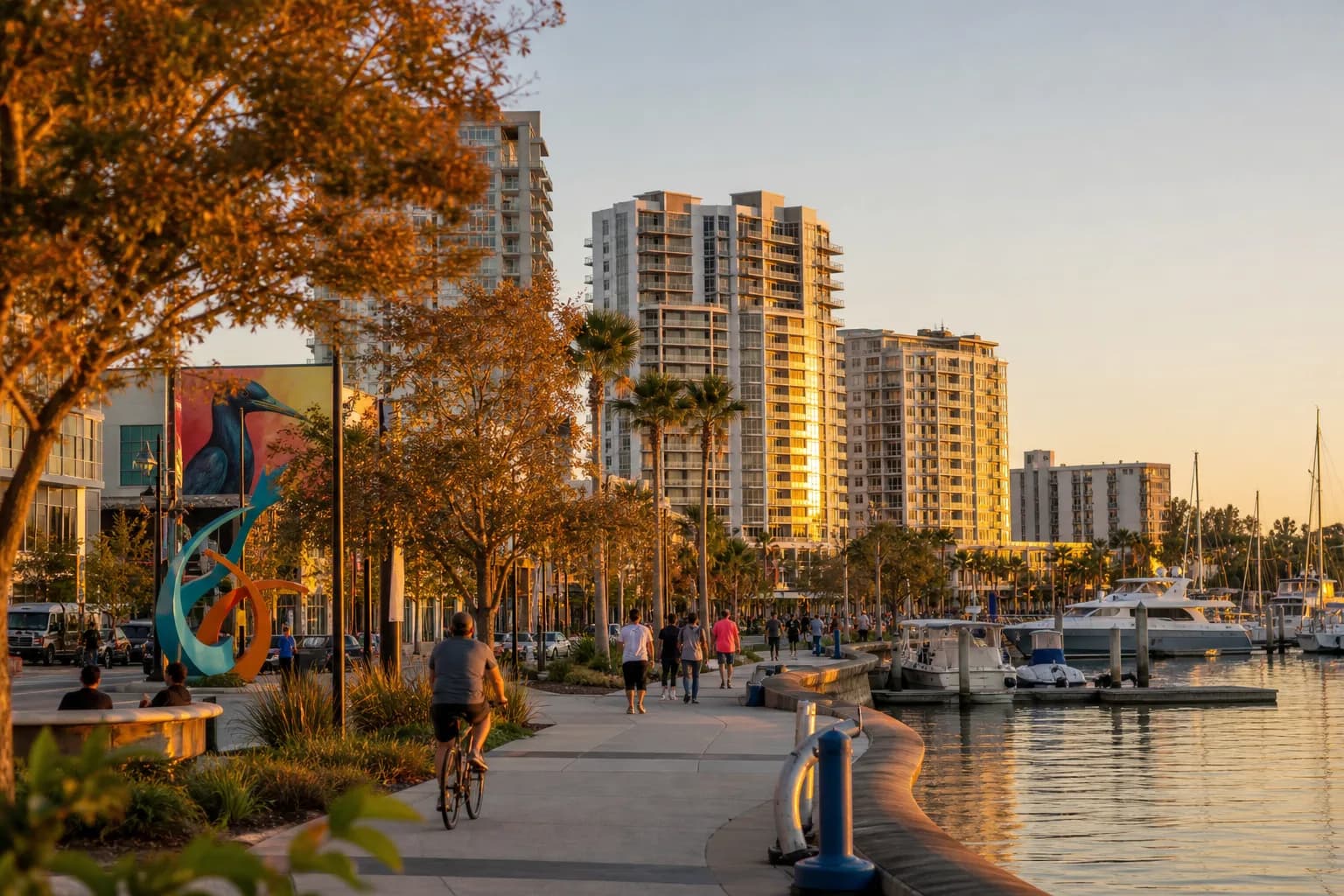
I watch the St. Petersburg market through an underwriter’s lens. As the 2026–27 snowbird season kicks off, the questions I’m fielding most are simple: Will more buyers arrive than we have homes to sell? Where are prices bending? And for condos, what will ownership actually cost over the next decade?
Here’s what the newest data is saying as of October 19, 2026—and what I think it means if you plan to buy or sell this winter.
The quick read: what moved heading into snowbird season
- County baseline, latest full MLS month (Pinellas, June 2026): single‑family median sale price at $480,000; months of supply at 3.5—still seller‑leaning. (pinellasrealtor.org)
- Downtown St. Petersburg (33701), 3‑month window ending September 2026: median sale price about $790K, down 30% year‑over‑year; median days on market rose to 71. This is the most buyer‑negotiable slice of our core neighborhoods today. (redfin.com)
- Historic Old Northeast/Snell Isle (33704), same period: median sale price about $885K, up 26.4% year‑over‑year; median days on market at 72. Supply remains tighter and pricing power firmer than downtown condos. (redfin.com)
- For‑sale inventory snapshot, Downtown (33701): 177 active listings as of September 30, 2026. Translation: winter buyers will have choices, but well‑priced homes still move. (zillow.com)
- Statewide pulse, September 2026: single‑family closed sales dipped 3.5% year‑over‑year while condo/townhouse closings were essentially flat. The market is steady, not stalled. (floridarealtors.org)
Seasonal demand matters in St. Pete. November brings the SHINE Mural Festival and St. Pete Run Fest crowds; March brings the Firestone Grand Prix. Those events pull visitors (and second‑home shoppers) into downtown and the waterfront—often the nudge that turns tours into offers. SHINE runs November 8–17, 2026; Run Fest weekend is November 13–15, 2026; the Grand Prix is set for March 5–7, 2027. (visitstpeteclearwater.com)
Neighborhood view: 33701 vs. 33704 this winter
-
Downtown (33701): Inventory is deeper and days on market longer than a year ago. That’s good news for buyers who need inspection time or financing contingencies. It also means sellers have to price to the last 30–60 days, not to 2022 peak comps. The Redfin read—median price down ~30% year‑over‑year—reflects a mix shift downtown (more resales closing below ultra‑luxury tower price points), not a collapse in quality. Expect motivated winter pricing on units facing assessments or without recent building reports. (redfin.com)
-
Historic Old Northeast & Snell Isle (33704): The single‑family story is different—fewer listings, stronger list‑to‑sale discipline, and buyers who value location, lot, and architectural integrity. Median pricing rose sharply in the 3‑month lookback to September; expect negotiating room on dated or flood‑exposed homes, less so on turnkey properties near Coffee Pot and within easy bike reach of the waterfront. (redfin.com)
County‑wide condo supply still sits meaningfully higher than single‑family. Even mid‑year MLS detail showed single‑family at 3.5 months of supply in June, while the condo/townhome charting runs higher—more of a buyer’s table in negotiations. That spread is the key dynamic to watch this winter. (pinellasrealtor.org)
The underwriting view: the real 10‑year cost of St. Petersburg condos in 2026–27
I don’t buy a condo for you; I buy the association’s books first. Three cost drivers will shape the offers I recommend this season:
- Reserve funding and new lending rules.
- Florida law now requires Structural Integrity Reserve Studies (SIRS) for eligible 3‑story+ buildings by Dec. 31, 2025, and milestone inspections on the statutory schedule (many due by Dec. 31, 2026). If a building missed these, expect lender scrutiny and potential special assessments to catch up. (condos.myfloridalicense.com)
- On the finance side, Fannie Mae and Freddie Mac eliminated “baseline” reserve‑study math after Aug. 3, 2026 (no more relying on plans that let balances approach zero). And starting Jan. 4, 2027, both raise the replacement‑reserve budget minimum from 10% to 15% of annual assessment income for Full/Established project reviews. That translates to higher monthly dues in underfunded associations—and tighter loan approvals in buildings that don’t comply. (singlefamily.fanniemae.com)
- Property and flood insurance.
- Citizens’ statutory glide‑path allows maximum 15% annual rate increases at renewal; that cap has applied to new and renewal policies since January 1, 2026. In practice, building‑level loss history and coverage terms still drive real‑world outcomes, but the cap frames expectations. (securesupport.citizensfla.com)
- Flood premiums under FEMA’s Risk Rating 2.0 are individualized. As a county gauge, the average NFIP premium for Pinellas ran about $1,433 as of Aug. 31, 2026—useful for planning, but I always price a unit’s exact elevation, construction, and claims before we write. (whatfloodzone.com)
- Special assessments and near‑term capital.
- SIRS and milestone findings flow into budgets now. Instead of guessing, I read the latest reserve study, the engineer’s report, and the meeting minutes for pending projects (façade, waterproofing, elevators, roof, fire/life‑safety). With lending standards hardening into 2027, boards are moving from defer‑and‑patch to fund‑and‑fix.
Bottom line for buyers: the “price per square foot” isn’t the number that matters most this winter. The ten‑year number is—and your monthly dues in 2027 may look different than 2024.
Will seasonal demand lift prices?
Snowbirds add tours and offers, but the effect varies by segment:
- Single‑family in 33704: Expect November–March absorption to firm list‑to‑sale ratios on well‑located homes. Tighter supply (3–4 months county‑wide entering summer) supports that. (pinellasrealtor.org)
- Downtown condos in 33701: Choice improves, days on market lengthen, and buyers can negotiate inspection/finance terms—particularly in buildings with pending capital work. The 3‑month median price decline into September flags a market where sellers win on transparency and accurate pricing to condition. (redfin.com)
- State context: Florida’s September read suggests stability, not a rush—good news for disciplined pricing and thorough diligence rather than fear‑of‑missing‑out bidding. (floridarealtors.org)
Short‑term rentals: know what’s actually allowed
If your winter plan includes renting the property when you’re away, St. Petersburg’s land development code treats rentals of less than a month as “transient accommodation” when offered more than three times in any rolling 365‑day period—and those uses are limited by zoning. Said plainly: most residential properties can’t operate as full‑time nightly rentals. I’ll confirm zoning and licensing fit before we move forward. (library.municode.com)
Buyer checklist: documents I request before we write
For any St. Petersburg condo or HOA property this winter, I’ll pull and read:
- The most recent reserve study (SIRS, if applicable) and the written funding plan adopted in the current budget cycle. If a reserve study offers multiple funding levels, current Fannie/Freddie rules require budgeting to the highest recommendation when used in lieu of a flat‑percent test. (singlefamily.fanniemae.com)
- Last 12 months of board meeting minutes and all notices of proposed or adopted special assessments.
- Master insurance summary (property/wind and flood), current deductibles, and proof of coverage sufficiency under updated agency guidance. (singlefamily.fanniemae.com)
- FEMA flood determination and any prior flood/insurance claims history I can document for the unit/building. Pinellas‑level averages help, but I price the actual risk for your specific address. (agents.floodsmart.gov)
If you’re selling this winter
- Lead with documentation. Upload the reserve study summary, milestone/SIRS status, and insurance certificates to your listing. That widens the buyer pool to those using agency‑backed loans—and reduces re‑negotiation risk when lenders scrutinize the file. (singlefamily.fanniemae.com)
- Price to today’s comps, not last spring. Downtown sellers: recognize longer days on market and deeper inventory. 33704 sellers: quality homes near the waterfront still command attention—but condition, elevation, and flood profile must match asking price. (redfin.com)
If you’re buying this winter
- In 33701, use choice to your advantage. We can negotiate credits or timing around known capital projects—without overpaying for risk you’ll shoulder post‑closing. (redfin.com)
- In 33704, be ready. Good single‑family listings still move; I’ll underwrite flood exposure and ten‑year maintenance so your number reflects the total cost of ownership, not just the contract price. (pinellasrealtor.org)
Let’s run the numbers together
This is how I work: before a property reaches you, I have already underwritten it—the association’s books, the structural record, the flood history, and the ten‑year ownership cost. If you’re weighing a move this winter, I’ll do a full property‑level review and show you the real carrying costs that matter in 2027 and beyond.
- For a deeper dive into these neighborhoods, see my recent market notes: October 2026 Market Update — St. Petersburg 33704 and Downtown St. Petersburg (33701) Market Update — October 2026.
- If you’re exploring a condo anywhere from Downtown to the Coffee Pot waterfront, start here: The True 10‑Year Cost of Owning a St. Petersburg Condo.
I’m Jon Kelly, a real estate agent who happens to be an underwriter at heart. When you’re ready, I’ll bring you homes that have already survived my scrutiny—and I’ll walk you through what’s inside the numbers.