
Q4 2026 St. Petersburg Market Snapshot: Where buyers find value and what sellers should expect
11/19/26
A late‑2026, numbers‑first read of St. Petersburg’s market—by neighborhood and property type—with the costs behind the costs: insurance, flood risk, and condo reserves. What I’m telling buyers and sellers right now.
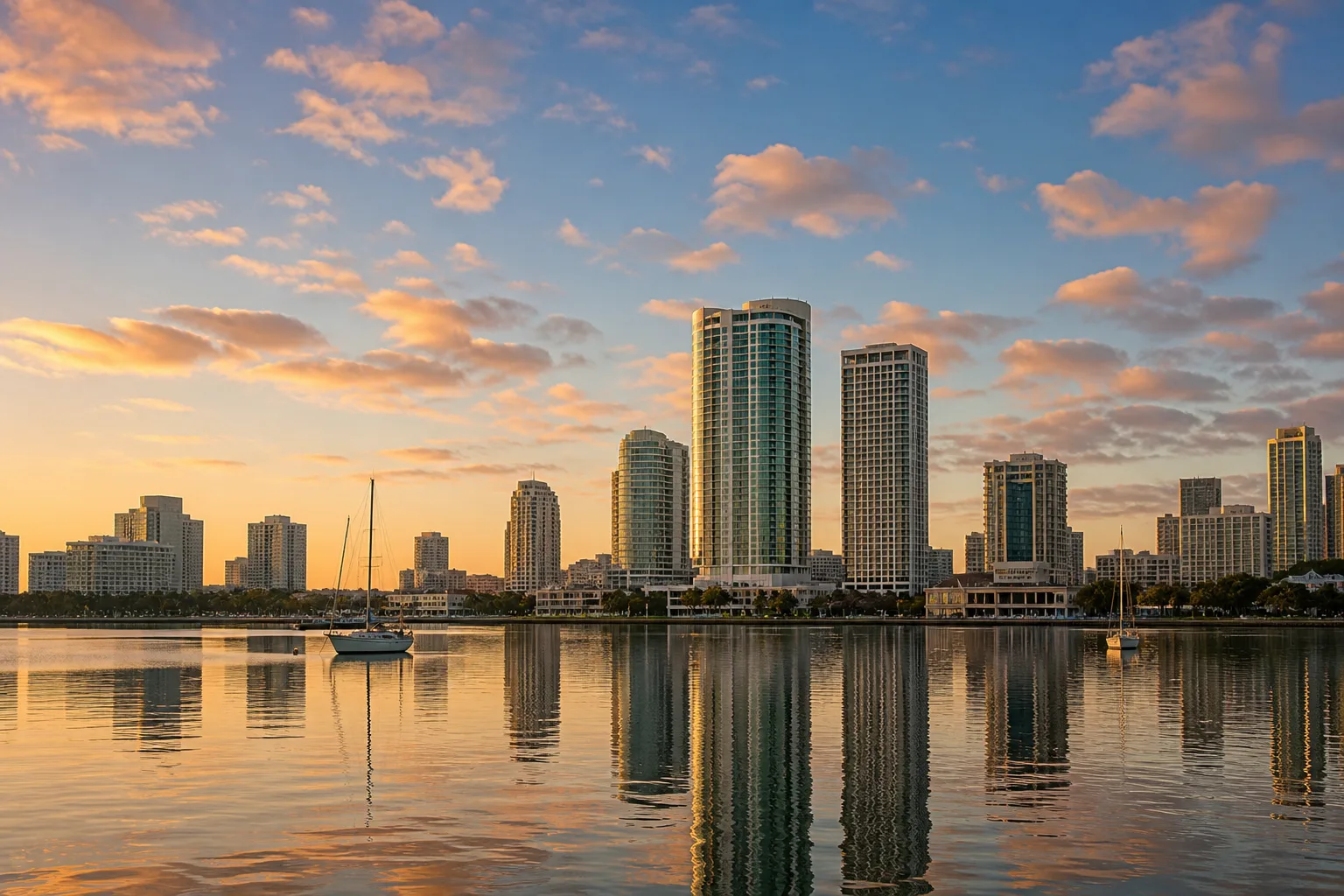
I don’t sell you a story; I underwrite the reality. Here’s where the St. Petersburg market actually sits as of November 9, 2026—and what that means in dollars and days for Downtown condos, Snell Isle, Historic Old Northeast, Crescent Lake and Shore Acres.
Headline snapshot
- Pinellas County’s September 2026 read (latest full month at the county level) shows a split market: single‑family homes at 3.7 months of supply and condos/townhouses at 6.5 months. That’s a tighter single‑family market and a looser condo market than the statewide averages. Median sale price in September: $465,000 for single‑family (up 9.4% year‑over‑year) and $246,750 for condos/townhouses (up 3.7%). (teambeachside.com)
- Statewide, September sat at roughly 4.4 months of supply for single‑family and 7.7 months for condos/townhouses—useful context for how Pinellas lines up. (floridarealtors.org)
- In the live tape, the Suncoast Tampa Association of REALTORS four‑week MLS report (as of Nov 8) showed more daily price decreases than new listings on both Pinellas single‑family (24 cuts vs. 10 new on the day) and condos (13 cuts vs. 5 new), a sign of selective pricing pressure into the holidays. (pinellasrealtor.org)
- Tourism seasonality still matters here: Visit St. Pete/Clearwater’s partners flagged spring 2026 as the strongest on record, and local coverage continues to call February–April the high season—expect more showings and quicker pendings as we move from mid‑winter into March. (baynews9.com)
Neighborhood micro‑trends I’m watching
Downtown St. Petersburg (condos)
Two big supply stories matured in 2025–26: The Residences at 400 Central began phased move‑ins after receiving TCO (late 2025), with occupancy continuing through 2026; Art House also started welcoming residents as it secured TCOs in stages. New‑tower closings add inventory and choice at the $1M–$3M level, and they elongate days on market for resales in adjacent buildings. If you want new mechanicals and modern life‑safety systems, this is where you find them—just price against active competition, not last spring’s comps. (floridayimby.com)
What it means:
- Buyers: Better selection and more time to review HOA docs without rushing. Don’t skip the tower’s budget, insurance schedule and reserve line items—I’ll pull and translate those for you. Start with my walkthrough: Buying a Luxury Condominium in Downtown St. Petersburg: How I Vet HOA Reserves, Assessments, and Insurance Before You Bid.
- Sellers: Expect longer DOM unless you price to the most recent in‑building trades and concede on non‑material asks. Pre‑list with a clean package: latest budget, insurance dec page, reserve study or funding plan.
Snell Isle
Over the last six months, Snell Isle closed at roughly 95% of list in about 93 days on market—still a negotiated sale, but with committed end‑users who value quality and waterfront access. If you’re waterfront, flood and wind coverage line items are not footnotes; they’re a line in the total monthly cost that affects who can bid. (suncoasthome.com)
What it means:
- Buyers: Underwrite the whole carry—homeowners, wind, flood and expected capital projects around seawalls/docks. I’ll price multiple carriers and model your 10‑year hold before you write.
- Sellers: Condition and transparency get you paid. If you’ve upgraded envelope systems (roof, windows, elevation improvements), document it and bring your wind mitigation to the first showing.
Historic Old Northeast (HON)
Inventory remains constrained and remains a seller‑favoring setup by most consumer trackers. HON’s value is not just charm; it’s the adjacency to downtown and the waterfront park system. But older structures can swing insurance outcomes. If you’re selling, you’ll get better terms when you solve small inspection items in advance. (realtor.com)
Crescent Lake
Crescent Lake homes generally sold near asking in September, and the smaller sample sizes here make pricing discipline crucial. The neighborhood’s draw—walkability, central location, and the park—keeps well‑presented homes competitive even as buyers take more time. (realtor.com)
Shore Acres
Flood risk is the first underwriting question. City and county materials make it plain: the vast majority of Shore Acres lies in FEMA’s 100‑year floodplain, and the city continues to invest in mitigation (backflow preventers, gate concepts, pump station funding). For buyers, that means flood coverage and elevation data are part of the offer math; for sellers, a clear disclosure packet (including any elevation certificates and prior claim history) keeps deals from falling out in week two. (storymaps.arcgis.com)
Seasonality, snowbirds, and your negotiation window
From mid‑December through March, we typically see more inbound showings and stronger weekend traffic. The region’s tourism arm reported record spring performance in 2026, and local coverage reiterates February–April as peak season. Practically, that means:
- If you’re listing in late November or early December, early pricing discipline avoids a January price cut just as buyer traffic picks up.
- If you’re buying, the best negotiation leverage can be late November–early January—fewer cross‑bids and more time for full‑document review before the season ramps. (baynews9.com)
For a deeper dive on winter dynamics here, I unpacked it in: Snowbird Season 2026–27: How It Will Shape St. Petersburg’s Market — Inventory, Price Signals, and the Real Cost of Condos.
The costs that change a deal (and why I run a 10‑year hold budget for you)
Three line items swing monthly carry far more than most listing remarks admit:
- Insurance
- Condo HO‑6 unit policies: Florida’s 2026 data releases still reference 2023 NAIC averages—about $1,146 statewide for HO‑6 vs. $658 U.S. average. Your building’s master policy, wind deductible, and any special assessment exposure matter more than the HO‑6 headline. (miamibuilds.com)
- Citizens Property Insurance rate changes took effect mid‑2026, with the state Office of Insurance Regulation approving new rates and Citizens’ materials showing policy‑form‑specific impacts (e.g., HO‑6 condo forms seeing different trajectories than standard homeowners). Translation: the effect is building‑ and policy‑specific; we quote it before you bid. (floir.gov)
- Flood risk
- Pinellas participates in FEMA’s Community Rating System and advertises up to a 40% NFIP discount countywide (as of April 1, 2024). Still, NFIP’s Risk Rating 2.0 puts far more weight on an individual property’s elevation, foundation and replacement cost—your premium is your premium. I verify flood zone, elevation and prior claims, then model the premium path over the hold. (pinellas.gov)
- Condo reserves and building inspections (3+ stories)
- Florida law now requires structural integrity reserve studies (SIRS) for 3‑story‑and‑higher condos and milestone inspections on a statutory timetable. Associations owner‑controlled on or before July 1, 2022 must complete a SIRS by December 31, 2025; where a milestone inspection under §553.899 is due by December 31, 2026, the SIRS may be completed simultaneously. Buyers are entitled to these documents. I request them before you spend on inspections. (flsenate.gov)
If this is the work you want done up front, start here: How Insurance, Flood Maps and HOA Reserves Change the 10‑Year Cost of a St. Petersburg Condo.
Pinellas market: quick context you can use
- County September snapshot (latest full month): single‑family 3.7 months of supply; condos/townhouses 6.5 months. Median single‑family $465,000; condo/townhouse $246,750. Cash shares: ~31% SFH, ~61% condo. Read “condo” here as Florida Realtors’ combined condo/townhouse class. (teambeachside.com)
- Live MLS flow (as of Nov 8): STAR’s four‑week dashboard showed more price cuts than new listings on the day in both property types, consistent with late‑fall price discovery before snowbird season. (pinellasrealtor.org)
- Property taxes: TRIM notices arrive in late summer; tax bills are issued after November 1. If you close late‑year, escrow and proration accuracy matters. I pull the proposed and current bills line‑by‑line. (pcpao.gov)
Actionable next steps
For buyers
- Downtown and condo buyers: Target buildings with completed inspections and credible reserve funding. I’ll retrieve the SIRS/milestone reports and master insurance schedule and run a 10‑year hold pro forma—including realistic special‑assessment scenarios. Then we price the unit, not the median.
- Single‑family shoppers in HON, Crescent Lake, Snell Isle: Pre‑inspection + insurance diligence wins terms. We’ll shop wind and flood before you write and align closing dates with carrier binding windows.
- Shore Acres: Elevation and prior flooding are non‑negotiables. I’ll pull elevation data, FEMA FIRM layers and county resources, then model flood premiums under Risk Rating 2.0. (pinellas.gov)
For sellers
- Price into the window you actually face. If you’re listing before year‑end, avoid starting 3–5% above the latest in‑neighborhood trades; December price reductions are costly once traffic jumps in February.
- Condos: Lead with transparency. Publish the budget, insurance dec page, reserve funding plan and any inspection outcomes in your data room. Buyers are asking—and Florida requires these records to be part of the official books. (condos.myfloridalicense.com)
- Single‑family: Solve the “certainty” items first—four‑point and wind‑mit reports, minor envelope fixes, and any open permits. That’s how you preserve price in a selective market.
If you want the numbers before the showing, email or call me. I’ll pull the HOA documents, insurance quotes, flood/elevation data, and a clean comp set—then tell you what it really costs to own the property for the next ten years.
— Jon Kelly, Real Estate Agent, St. Petersburg (Snell Isle, Historic Old Northeast, Downtown)